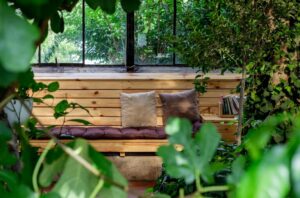
Tips for Creating a Relaxing and Productive Home Workspace
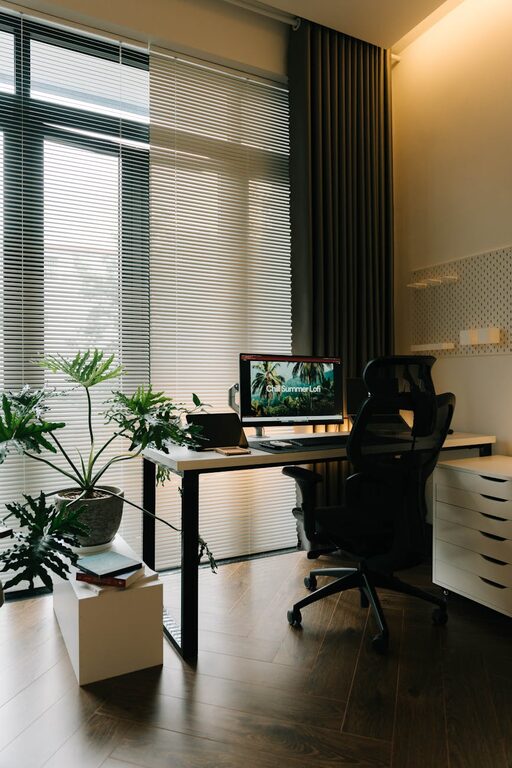
Creating a home workspace that is both relaxing and productive can be a game changer when working remotely or managing home projects. Having a dedicated area that encourages focus without feeling stressful helps improve your efficiency and well-being. If you’re looking to transform a corner of your home into an effective workspace, these practical tips will guide you on how to balance comfort and productivity.
Choose the Right Location
Consider Natural Light
Try to set up your workspace in a spot with plenty of natural light. Sunlight helps regulate your body clock, improving mood and concentration. Position your desk near a window if possible, but be mindful of glare on your computer screen. If natural light is limited, invest in good quality lighting that mimics daylight to reduce eye strain.
Avoid High-Traffic Areas
Select a quiet corner or room away from household distractions. Areas near the kitchen or TV can be noisy and disruptive. Having your workspace separate from your leisure spots helps mentally separate work time from downtime.
Invest in Comfortable Furniture
Choose an Ergonomic Chair
Comfortable seating is essential to avoid back and neck pain. An ergonomic chair supports your posture and keeps you comfortable for longer periods. Look for adjustable height, lumbar support, and cushioning.
Pick a Desk That Fits Your Needs
Your desk should suit your work style. Does your work involve a lot of paperwork or two monitors? A spacious desk helps keep materials organised and within reach. For smaller spaces, consider wall-mounted fold-away desks.
Declutter and Organise Your Area
Keep Essentials Handy
Clear your desk of non-essential items to avoid distractions. Use organisers, trays, or drawers to store stationery and paperwork neatly. A tidy workspace encourages a clear mind.
Use Vertical Storage
Maximise space by using shelves or wall organisers. This keeps supplies off your desk and adds to the room’s aesthetic.
Personalise Your Space Thoughtfully
Add Calming Colours
Soft, neutral colours like pale blues, greens or greys create a soothing atmosphere. Avoid overstimulating bright colours in your primary work area.
Introduce Plants
Indoor plants can reduce stress and improve air quality. Small pots of succulents or herbs are easy to care for and brighten your workspace.
Display Motivational Items
A few personal touches like photos, inspirational quotes, or favourite artwork can make your space inviting while keeping you motivated.
Manage Technology Efficiently
Organise Cables
Tidy cables using clips or sleeves to reduce mess. This prevents distractions and promotes safety.
Use Quality Equipment
Good headphones, a reliable mouse and a keyboard suited to your needs can improve comfort and efficiency.
Create a Daily Routine
Set Work Hours
Even at home, maintaining a schedule helps separate work from personal life. Start and finish your day at consistent times to build a routine.
Take Breaks
Regular short breaks help refresh your mind and prevent burnout. Stretch, move around, or practice breathing exercises between tasks.
Reduce Noise and Distractions
Use Noise-Cancelling Headphones
If your home is noisy, headphones can help you concentrate better.
Minimise Visual Distractions
Keep your screen free of unnecessary open tabs or apps. Limit social media and personal notifications during work time.
Prioritise Air Quality and Comfort
Ventilate Your Room
Fresh air boosts alertness. Open windows or use an air purifier to keep the air fresh.
Maintain a Comfortable Temperature
Avoid working in rooms that are too hot or cold. Dress appropriately and adjust heating or fans as needed.
—
Taking the time to design a home workspace that feels relaxing will help you stay motivated and productive. By combining practical organisation with personalised touches, you can create an environment that supports your best work. Whether you have a dedicated room or just a small nook, these tips can help you make the most of your space.