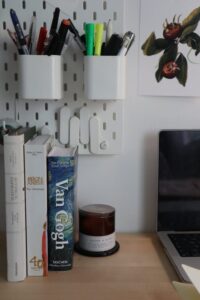
Tips for Creating a Relaxing Home Office Environment
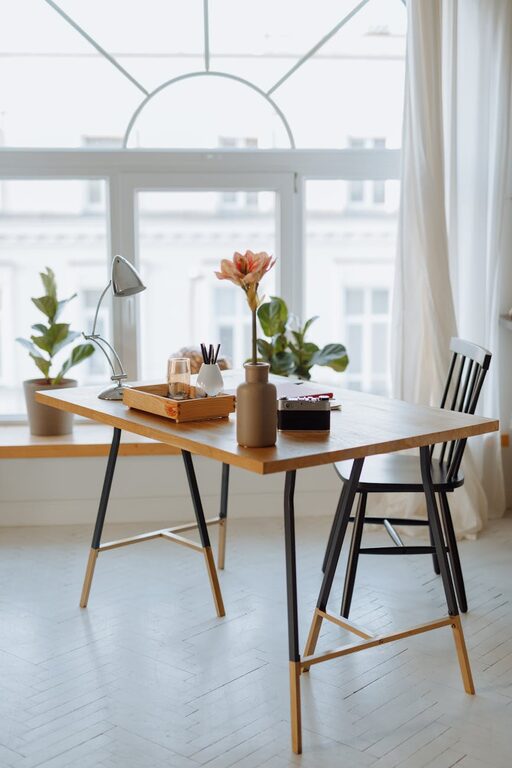
Creating a relaxing home office environment is essential for maintaining focus, reducing stress, and improving overall productivity. Whether you work from home full-time or simply need a dedicated space for occasional tasks, a peaceful workspace can make a significant difference to your workday. Here are some helpful tips to help you design a calming and efficient home office.
Choose the Right Location
Finding the ideal spot in your home for a workspace is the first step to creating a relaxing office. Consider these factors:
– Natural light: Select a room or corner with plenty of daylight. Natural light boosts mood and energy.
– Quiet to minimise distractions: Pick a low-traffic area where noise is minimal.
– Space: Ensure there’s enough room for your desk, chair, and any storage solutions.
If space is limited, even a small nook can serve as an effective workspace if organised well.
Invest in Comfortable Furniture
Comfort is key when it comes to a relaxing office. Poor posture can lead to fatigue and discomfort, which reduces focus.
– Ergonomic chair: Choose a chair that supports your lower back and allows your feet to rest flat on the floor.
– Desk at the right height: Your desk should be at a height that enables your elbows to rest comfortably at a 90-degree angle when typing.
– Adjustable furniture: Consider adjustable chairs, desks or monitor stands to suit your body and preferences.
Comfortable furniture helps create an inviting environment where you want to spend time.
Declutter and Organise
A tidy workspace helps clear the mind and reduce stress. Adopt these habits:
– Keep only essentials on your desk: Remove unnecessary items to avoid visual clutter.
– Use organisers and storage: File papers, stationery and electronics in drawers or boxes.
– Regularly tidy: Set aside a few minutes at the end of each day to clear and reorganise.
A neat environment supports concentration and makes your office more inviting.
Incorporate Calming Colours
Colour can affect your mood and focus. Choosing the right palette will help create a soothing atmosphere.
– Soft neutrals: Whites, creams, and light greys offer a clean, calm background.
– Cool shades: Blues and greens are known to promote relaxation and focus.
– Accent colours: Subtle hues like lavender or soft yellow can add warmth without overwhelming.
Avoid overly bright or distracting colours that might increase stress.
Add Natural Elements
Bringing a touch of nature indoors can improve air quality and contribute to a calm environment.
– Houseplants: Easy-care plants like snake plants, spider plants or succulents brighten the room and reduce stress.
– Natural materials: Use wooden furniture or accessories to add warmth.
– Fresh air: If possible, open windows regularly to let fresh air circulate.
Natural elements help create a balanced and inviting workspace.
Control Lighting Carefully
Good lighting is essential for both comfort and productivity.
– Use layered lighting: Combine natural daylight with ambient and task lighting.
– Avoid harsh glare: Position your screen and light sources to reduce glare and eye strain.
– Warm bulbs: Soft white bulbs create a cosy atmosphere in the evening.
Adjust lighting throughout the day to maintain comfort and focus.
Minimise Noise and Distractions
Reducing noise helps maintain concentration and calmness.
– Noise-cancelling headphones: A useful tool if you cannot control external noise.
– Soft background noise: Gentle music or white noise machines can make distractions less noticeable.
– Silence devices: Turn off notifications or place phones on ‘Do Not Disturb’ during work sessions.
Creating a noise-controlled space supports a more relaxed work mindset.
Personalise Your Space Thoughtfully
Adding personality to your office can inspire and motivate you, but keep it balanced.
– Favourite photos or artwork: Choose calming images or motivational quotes.
– Meaningful objects: A small keepsake or decorative item can boost comfort.
– Avoid clutter: Personal items should not crowd your desk or limit workspace.
Personal touches make the office feel welcoming without becoming distracting.
Prioritise Breaks and Movement
To maintain relaxation and productivity, incorporate movement and rest into your routine.
– Stretch regularly: Stand up and stretch every hour to ease tension.
– Use a timer: Set intervals to remind yourself to take breaks.
– Change work posture: Consider a sit-stand desk or alternate seating positions.
A balance between focused work and rest promotes long-term wellbeing.
—
By applying these tips, you can transform your home office into a relaxing, functional space that supports your work and wellbeing. Remember that the best workspace is one tailored to your personal needs. Take time to experiment with different setups until you find what works best for you. A calm office is a stepping stone to a productive and enjoyable work-from-home experience.