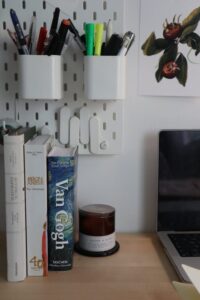
Tips for Creating a Productive Home Office Environment
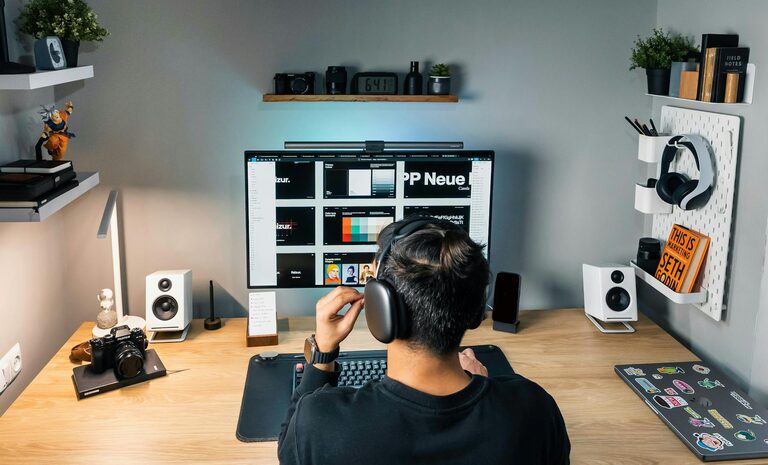
Creating a productive home office environment is essential for anyone working remotely or juggling tasks outside a traditional office setting. A well-designed workspace can help you stay focused, reduce distractions, and maintain a healthy work-life balance. Whether you have a dedicated room, a corner, or just a desk, these tips will help you optimise your home office to support productivity and wellbeing.
1. Choose the Right Location
The first step in creating a productive home office is selecting a suitable space. Ideally, the area should:
– Be quiet and free from distractions.
– Have good natural light to boost mood and reduce eye strain.
– Offer enough room for your equipment and storage needs.
– Allow you to separate work from leisure areas to maintain balance.
If space is limited, try to create boundaries with room dividers, rugs, or even shelves to visually separate your office space from the rest of your home.
2. Invest in Comfortable and Functional Furniture
Your choice of furniture directly affects your posture, comfort, and productivity. Consider the following:
– Ergonomic chair: A supportive chair with adjustable features helps prevent back pain during long working hours.
– Desk: Choose a desk height that allows your arms to rest comfortably and your screen to be at eye level.
– Storage solutions: Organise your paperwork, stationery, and gadgets with shelves, drawers, or organisers to keep your desk clutter-free.
A cluttered workspace can lead to distractions, so prioritising functional furniture that supports tidiness is key.
3. Optimise Lighting
Good lighting improves focus and reduces fatigue. Here’s how to make sure your home office is well-lit:
– Position your desk near a window to take advantage of natural daylight.
– Use adjustable task lighting such as a desk lamp to illuminate your work area without causing glare.
– Avoid placing screens directly opposite bright windows to prevent reflections.
– Use warm or neutral light bulbs to create a comfortable atmosphere.
Balancing natural and artificial light throughout the day can sustain energy and enhance productivity.
4. Minimise Distractions
Distractions at home can be a significant productivity drain. Strategies to minimise interruptions include:
– Inform family members or housemates about your work hours.
– Use noise-cancelling headphones or background music to block household noise.
– Turn off non-essential notifications on your devices.
– Keep your workspace tidy and free from non-work-related items.
Creating clear boundaries for your working time helps your mind switch into professional mode.
5. Personalise Your Space
A workspace that feels inviting and personalised can boost your motivation and well-being. Some ideas include:
– Adding plants for a touch of nature and improved air quality.
– Displaying inspirational quotes or artwork.
– Using colours and accessories that make you feel calm and focused.
– Keeping a water bottle nearby to stay hydrated.
Personal touches help you feel comfortable and engaged during your workday.
6. Manage Technology Efficiently
Technology is essential in most home offices, so organising it well keeps your workflow smooth:
– Use a reliable internet connection to avoid frustration.
– Keep cords organised and out of the way using clips or cable organizers.
– Ensure your computer, printer, and other devices are updated and functioning correctly.
– Use stands or adjustable arms to position screens ergonomically.
Regularly review your tech setup to identify any improvements that can save time and reduce stress.
7. Establish a Routine and Take Breaks
A productive home office requires not just the right environment but also good work habits:
– Set clear working hours and stick to them.
– Use a planner or digital calendar to schedule tasks and deadlines.
– Incorporate regular short breaks to stretch, rest your eyes, and recharge.
– Consider techniques like the Pomodoro Method — work in focused intervals followed by breaks.
Routines help maintain discipline and ensure you don’t overwork or underperform.
8. Keep Your Workspace Clean
A clean workspace promotes mental clarity and reduces distractions. To maintain cleanliness:
– Dedicate a few minutes at the end of each day to clear your desk.
– Organise cables and supplies regularly.
– Dust and wipe surfaces weekly.
– Use storage bins or trays to keep small items tidy.
A refreshing workspace every morning sets a positive tone for the day ahead.
Conclusion
Designing a productive home office environment doesn’t require a large budget or a lot of space. By focusing on a quiet, well-lit location, ergonomic furniture, minimising distractions, and fostering good work habits, you can create a space that supports your productivity and wellbeing. Remember that your home office should evolve with your needs, so regularly assess what works best and make adjustments accordingly.
With these tips in mind, you’ll be well on your way to enjoying a more comfortable, efficient, and rewarding home working experience.