
Tips for Creating a Sustainable and Eco-Friendly Home Garden
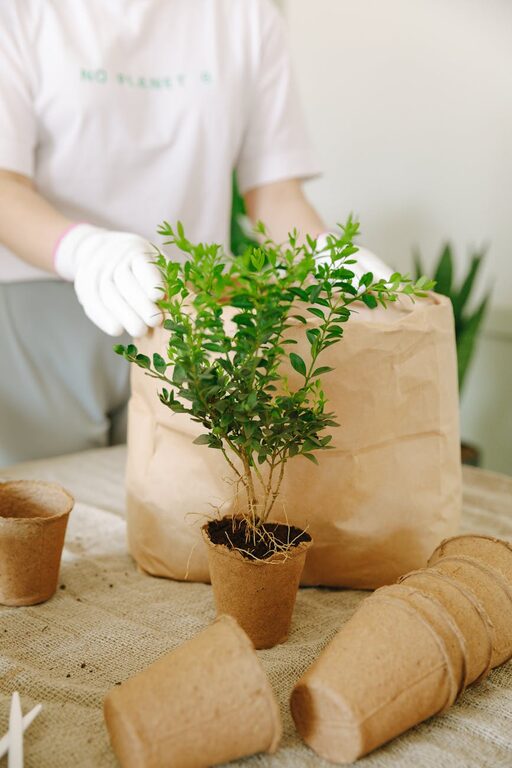
Creating a sustainable and eco-friendly home garden is a rewarding way to connect with nature while minimising your environmental footprint. Whether you have a small balcony or a spacious backyard, implementing green gardening practices can foster biodiversity, conserve resources, and provide fresh produce or beautiful plants. This guide offers practical tips to help you establish a garden that nurtures both your home and the planet.
Why Choose a Sustainable Garden?
Sustainable gardening focuses on creating a balanced ecosystem that uses natural resources wisely. It encourages healthy soil, conserves water, supports wildlife, and reduces waste and pollution. By building an eco-friendly garden, you contribute to cleaner air, happier wildlife, and a more resilient local environment.
Planning Your Eco-Friendly Garden
Before planting, consider the space, climate, and natural conditions. Thoughtful planning helps you make the most of your available resources.
Assess Your Space and Sunlight
– Identify areas that receive full sun, partial shade, or full shade.
– Choose plants suited to each spot to ensure healthy growth with minimal extra care.
Select Native and Drought-Resistant Plants
Native species are adapted to your local climate and soil, requiring less water and fertiliser. Drought-resistant plants can thrive in dry conditions, reducing water consumption.
Sustainable Soil Practices
Healthy soil is the foundation of a thriving garden. Use natural methods to maintain and improve soil quality.
Composting for Nutrient-Rich Soil
Start a compost bin or heap to recycle kitchen scraps and garden waste into rich compost. This reduces landfill waste and provides organic fertiliser for your plants.
Mulching to Preserve Moisture
Apply organic mulch such as bark, straw, or leaf mould around plants to retain moisture, prevent weeds, and regulate soil temperature.
Avoid Chemical Fertilisers and Pesticides
Opt for organic alternatives or natural pest control methods to maintain soil health and protect beneficial insects.
Water Conservation Tips
Efficient water use is essential for an eco-friendly garden.
Collect Rainwater
Install a rainwater barrel to gather runoff from gutters. This provides free, natural water for your plants and reduces demand on mains water.
Watering Techniques
– Water plants early in the morning or late in the evening to reduce evaporation.
– Use drip irrigation or soaker hoses for targeted watering.
Encouraging Wildlife and Biodiversity
A sustainable garden is a refuge for local wildlife, supporting pollinators and other beneficial creatures.
Plant a Variety of Flowers and Shrubs
Include plants that offer nectar, pollen, and seeds to attract bees, butterflies, birds, and other animals.
Create Habitats
– Build a bug hotel or birdhouse.
– Leave a small area with natural vegetation or logs for insects and amphibians.
Avoid Harmful Chemicals
Refrain from using pesticides that can harm pollinators and other wildlife.
Sustainable Garden Maintenance
Maintaining sustainability requires mindful routines.
Use Manual Tools
Choose hand tools over powered machinery to reduce fossil fuel use and noise pollution.
Reuse and Recycle Garden Materials
– Repurpose pots, containers, and garden decorations.
– Use homemade natural fertilisers, such as nettle or comfrey feed.
Control Weeds Organically
Pull weeds by hand or use natural mulches to suppress their growth rather than relying on chemical herbicides.
Growing Your Own Food Sustainably
Growing vegetables, herbs, and fruits is a satisfying way to reduce food miles and packaging waste.
Companion Planting
Grow complementary plants together to naturally deter pests and improve growth.
Crop Rotation
Change plant locations each season to prevent soil depletion and reduce disease risk.
Seasonal Planting
Grow crops suited to each season for optimal yields without forcing unnatural growth.
Final Thoughts
Creating a sustainable and eco-friendly home garden is a continuous but rewarding process. Through thoughtful planning, natural practices, and respect for local ecosystems, your garden can become a vibrant space that benefits both you and the environment. Start with small changes and watch your garden flourish in harmony with nature.